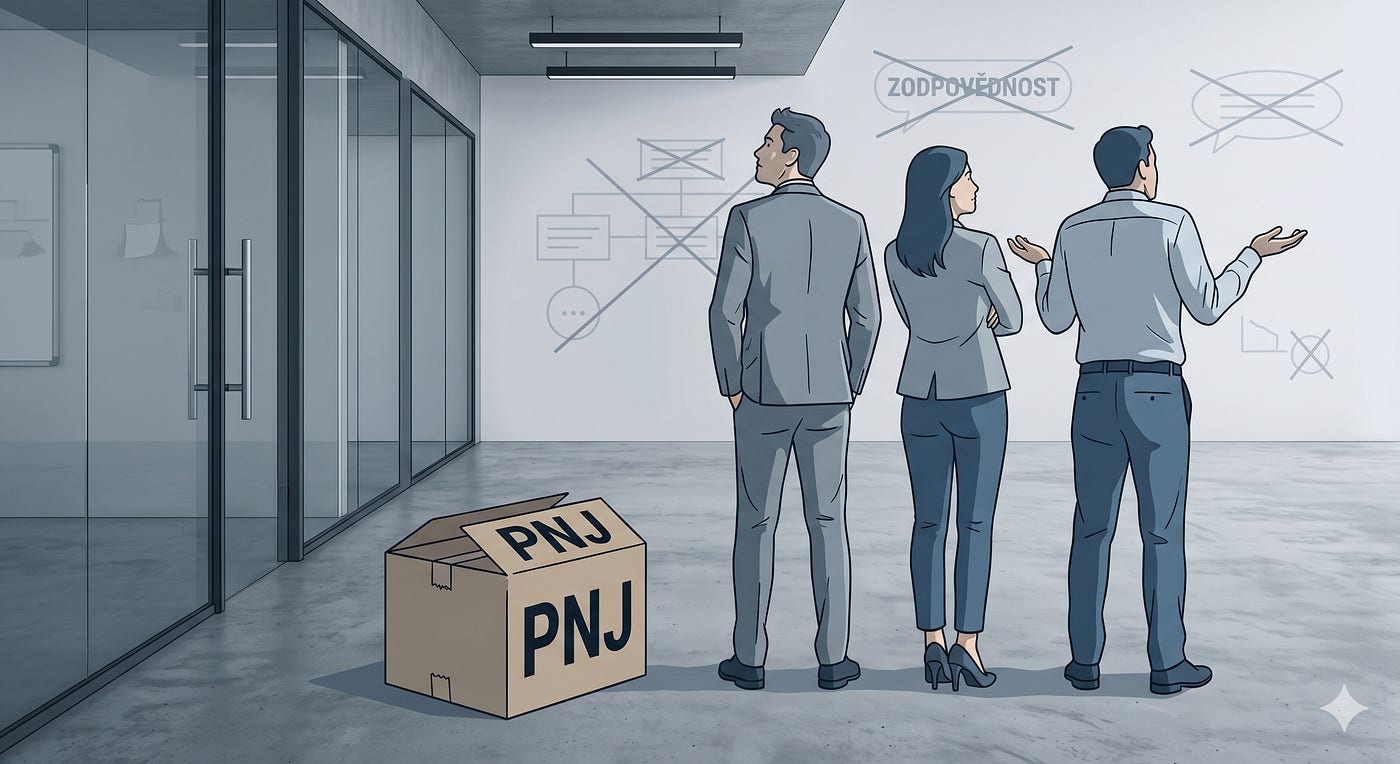
Everyone in the company always knows exactly what the customer wants. Obviously! They buy it, don’t they? We have sold it before, so we will certainly sell it to others. Nobody has complained, so why change anything?
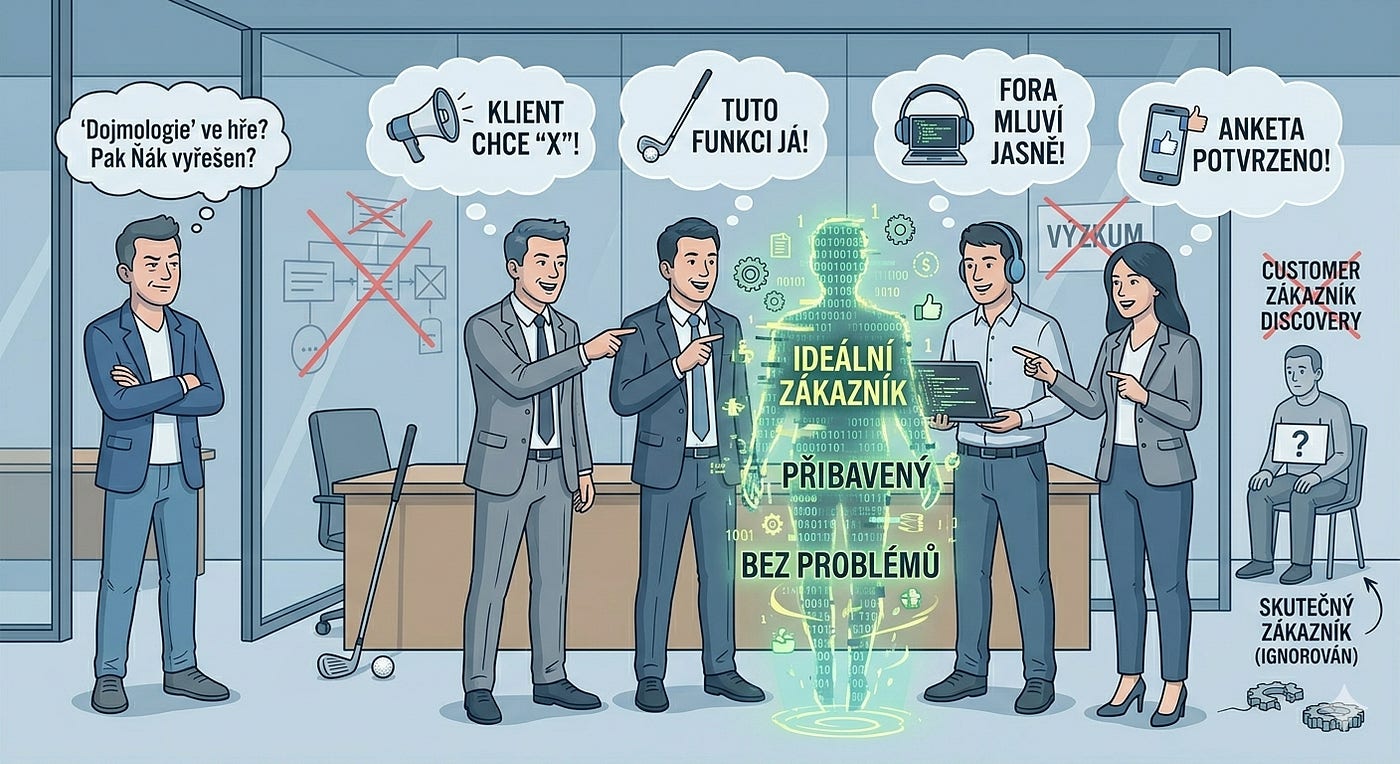
In product discussions everything is clear to everyone. The loud salesperson knew, because a customer told him in a meeting – so that is exactly what has to be delivered. The developer knew, because he follows the forums and can see from the requests what people are dealing with. The CEO knew, because he himself would want that feature as a customer. And another CEO confirmed it on the golf course. The marketer knew what people like, because they ran a poll. On Facebook. Twenty-four people answered, half of them colleagues from the company.
Everyone knew. At least they thought they did.
Classic gut-feel management. Instead of the real customer, the company builds an imaginary one – and everyone in the company sees their own. The one who confirms their assumptions. Someone who never pushes back.
Except nobody has ever seen this “ideal” customer. Or asked them what bothers them and what they need.
This is where a definition of customer research should go. I should now write that “customer discovery is an iterative process of validating hypotheses through qualitative and quantitative data-collection methods”. But you could read that on Wikipedia, and I would be wasting your time.
So let me put it differently: customer research is the moment you stop building on assumptions and prejudice.
The problem is that people do not know how to listen. And they do not know how to ask the right question either.
The three most common mistakes
The survey that confirms what we want to hear. You ask: “Would you value feature X?” The customer says “yes” – why not? You get 87% positive answers and happily go off to build it. Then nobody wants it. Especially once you ask them to pay for it.
The interview that is really a presentation. You sit down with a customer, show them the prototype and explain how it works. They nod. At the end you ask whether they would use it. They nod. You happily go off to build it. Then nobody uses it.
Research through a middleman. A salesperson comes back from the field and says: “The customer wants this.” But the salesperson has translated what they heard through the filter of what they need to sell. That is not customer insight. It is an advanced game of Chinese whispers.
The internal tool that was going to conquer the market
A common scenario in Czech companies, especially software companies, goes like this: we have a problem, so we build an internal tool for it. “Hey, this is good – other companies must have the same problem. Let’s start selling it!” And with visions of big profits, they start selling. No research, no processes, no rules for serving the customer. Then they hire a salesperson – surely they will sell it. They do not. So let’s do some marketing; we look for a marketing ninja. After a while that does not work either. And after two years of treading water they are back at the start.
Only then, from conversations with customers, do they discover that the customer does not need another software tool – they need a fully outsourced service with 24/7 support. And a software company is not built for that, and does not want to be. So the internal tool stays an internal tool.
Had they not skipped the steps, and done research instead of relying on impressions, they would have saved a great deal of time. And money.
So how do you run a customer conversation?
Do not ask about your product. Ask about their life.
Not “would you use feature X?”, but “show me how you do this today”. Not “what would you like to improve?”, but “what slowed you down most last week?” People lie about the future. They lie much less about the past.
Five conversations like that will do more than a three-month analysis in Excel. If you are not sure whom to ask, start with the customers who left for a competitor. They are more honest than anyone else.
For people in software, talking to real customers is hard. But they are the only people whose opinion has any value for your product. A few of those conversations can save a lot of pain later – and the internal tool stays internal from the start.

 Václav Duda17 Apr 2026 · 2 min read